"Cheap" Steel Just Got Very Expensive: What Every Importer Needs to Know Today
"Cheap" Steel Just Got Very Expensive: What Every Importer Needs to Know Today
Apr 06, 2026
Today, Monday, April 6, 2026, is the day the "bargain" died.
If you woke up this morning thinking your steel import costs were predictable, you are in for a brutal reality check. As of today, the U.S. government has officially overhauled the steel tariff structure, and the rules of the game have been completely rewritten. The days of calculating duties based on simple "metal content" or the price you negotiated on a handshake in Shanghai are over.
At ARI Shipping Corporation, we’ve spent the last 40 years navigating trade wars, policy shifts, and supply chain crises. But make no mistake: what happened today is a seismic shift. If you are importing primary steel, industrial components, or heavy machinery, your landed costs may have just skyrocketed.
Here is exactly what changed today and why the "old way" of doing business is now a fast track to financial disaster and compliance fines.
The Death of "Metal Content" Valuation
For years, importers relied on a valuation method that focused primarily on the raw metal content or the invoice price of the material. It was straightforward, if not always perfectly accurate. Today, that system has been scrapped.
The new mandate shifts valuation to Full Market Value, specifically tied to the U.S. market spot price.
Think about the implications for a moment. If you are sourcing steel from an overseas mill at $600 per ton, but the U.S. domestic spot price is currently $1,100 per ton, your duties are no longer calculated on the $600 you actually paid. They are calculated on the $1,100 the government says it’s worth in the American market.
This isn't just a policy tweak; it’s a total reimagining of how trade barriers function. By pegging duties to domestic spot prices, the government is effectively neutralizing the price advantage of foreign steel overnight. If you haven't recalculated your margins based on U.S. spot prices, you aren't just losing money: you’re likely underwater on your current shipments.
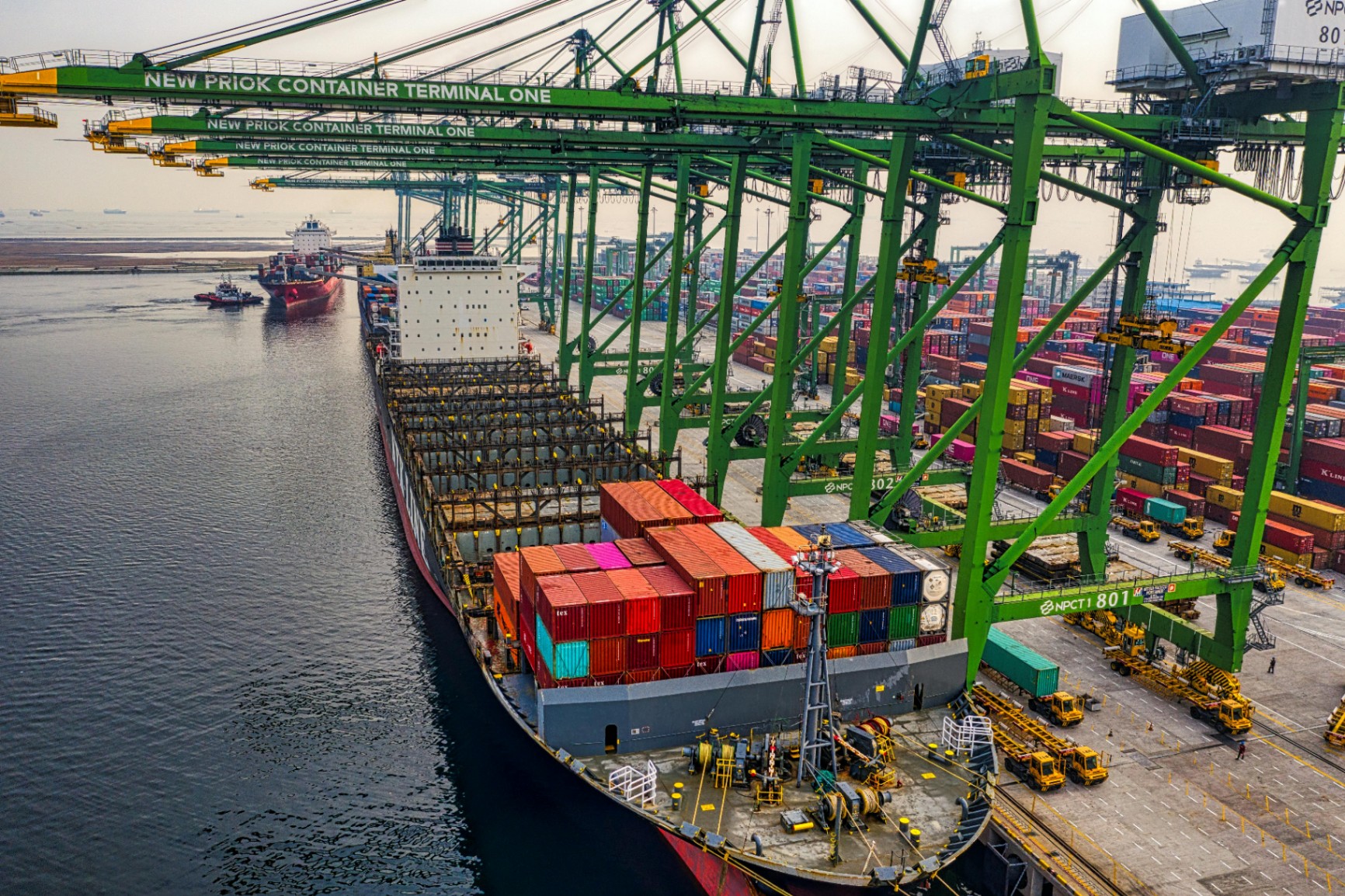
The 50% Wall: Primary Steel and the Tiered Derivative System
The numbers released today are staggering. Primary steel imports are now facing a flat 50% duty rate.
But it doesn't stop at raw coils and beams. The government has introduced a complex, tiered system for "downstream" products: the derivatives. This includes everything from steel pipes and tubes to fasteners, cables, and structural components.
If your business relies on industrial equipment shipping, you need to look very closely at the Bill of Materials for your imports. Even if your finished product isn't "steel," the components inside it likely fall under these new tiered categories.
- Tier 1 (High-processed derivatives): Subject to aggressive, sliding-scale duties based on domestic price fluctuations.
- Tier 2 (Secondary components): Subject to a baseline duty that triggers the moment U.S. inventory levels drop below a certain threshold.
The goal is clear: protect domestic production at all costs. For the importer, the result is a supply chain that just became twice as expensive and ten times as complex to manage.
The "Downstream" Domino Effect: Machinery and Auto Parts
Many importers believe they are safe because they don't buy "raw steel." They buy finished products: heavy machinery, construction equipment, or automotive assemblies.
That is a dangerous assumption.
The April 6th overhaul specifically targets the "hidden" steel in manufactured goods.
If a piece of machinery is composed of more than a certain percentage of regulated steel derivatives, the entire unit can be subject to these new valuation rules. This means the excavator you’re importing or the industrial press you’ve been waiting on for six months could suddenly be hit with a duty bill that exceeds your total profit margin for the quarter.
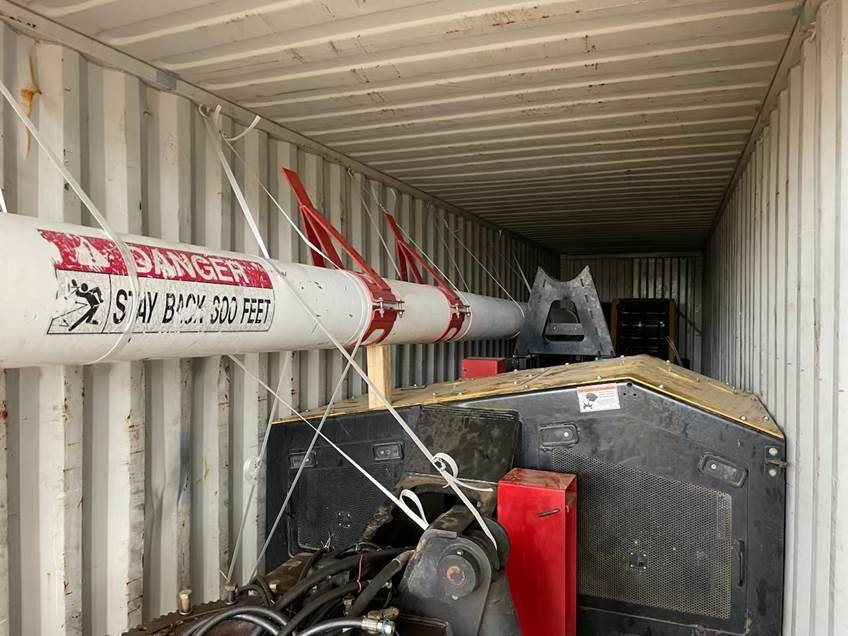
This is where the "cheap" steel becomes the most expensive mistake you’ll ever make. An initially low purchase price is quickly eclipsed by:
- Massive Duty Spikes: Calculated on U.S. values, not your invoice.
- Customs Holds: Containers sitting at the port because the valuation was filed using the "old" method.
- Bond Increases: You may find that your current continuous customs bond is no longer sufficient to cover the increased liability, leading to immediate shipment stalls.
The Compliance Trap: Why "Undervaluation" is a Dead End
In a panic to save their margins, some importers may be tempted to "adjust" their invoices or stick to their old valuation methods.
Don't do it.
Today’s policy shift came with a massive increase in funding for Customs and Border Protection (CBP) enforcement. The "old way" of calculating duties is officially considered non-compliant as of this morning. Using outdated valuation methods or attempting to hide the full market value of your steel imports will trigger immediate audits and massive compliance fines.
The government is now utilizing sophisticated data-matching tools that compare your declared values against real-time U.S. spot price indices. If there is a significant discrepancy, your shipment will be flagged before it even leaves the port of origin.
At ARI Shipping, we specialize in clearance and compliance. We are seeing a zero-tolerance approach to these new regulations. A mistake in your filing today isn't just a delay; it’s a potential legal nightmare that can jeopardize your ability to import indefinitely.
Navigating the Chaos with ARI Shipping Corporation
The landscape is changing by the hour. The U.S. spot price for steel is volatile, and your duty liability is now tied to that volatility. You cannot manage this on a spreadsheet or by relying on a factory's word. You need a partner who understands the intersection of international shipping, trade law, and market economics.
ARI Shipping Corporation is an ISO-certified global logistics provider. Here is how we are helping our clients navigate the April 6th overhaul:
- Real-Time Valuation Analysis: We help you calculate your true landed cost based on the latest U.S. spot prices, so you aren't surprised by a bill you can't pay.
- HS Code Re-Classification: With the new tiered system for derivatives, many products need to be re-classified to ensure they are under the correct duty bracket.
- Bond Sufficiency Reviews: We ensure your customs bonds are updated to reflect the 50% duty environment, preventing port-side "gridlock" for your cargo.
- Strategic Sourcing Advice: Sometimes, the most cost-effective move is to pivot. We can help analyze if shipping components vs. finished goods: or sourcing from different regions, can mitigate the tariff impact.

Lock in Your Strategy Now
The window for "wait and see" closed at midnight. Every shipment currently on the water or sitting at a terminal is now subject to these new rules. If you haven't consulted with a professional about your steel and derivative imports, you are flying blind into a storm.
Reliable Global Logistics, Tailored to You.
Don't let today’s tariff shock sink your business. The "cheap" steel era is over, but the era of the smart importer is just beginning. By partnering with ARI Shipping, you gain access to 40+ years of expertise and a team that is already on the front lines of this policy shift.
Ready to protect your supply chain?
Get Your Custom Shipping Quote in Minutes or Contact Us Today to speak with an expert about your steel import compliance.
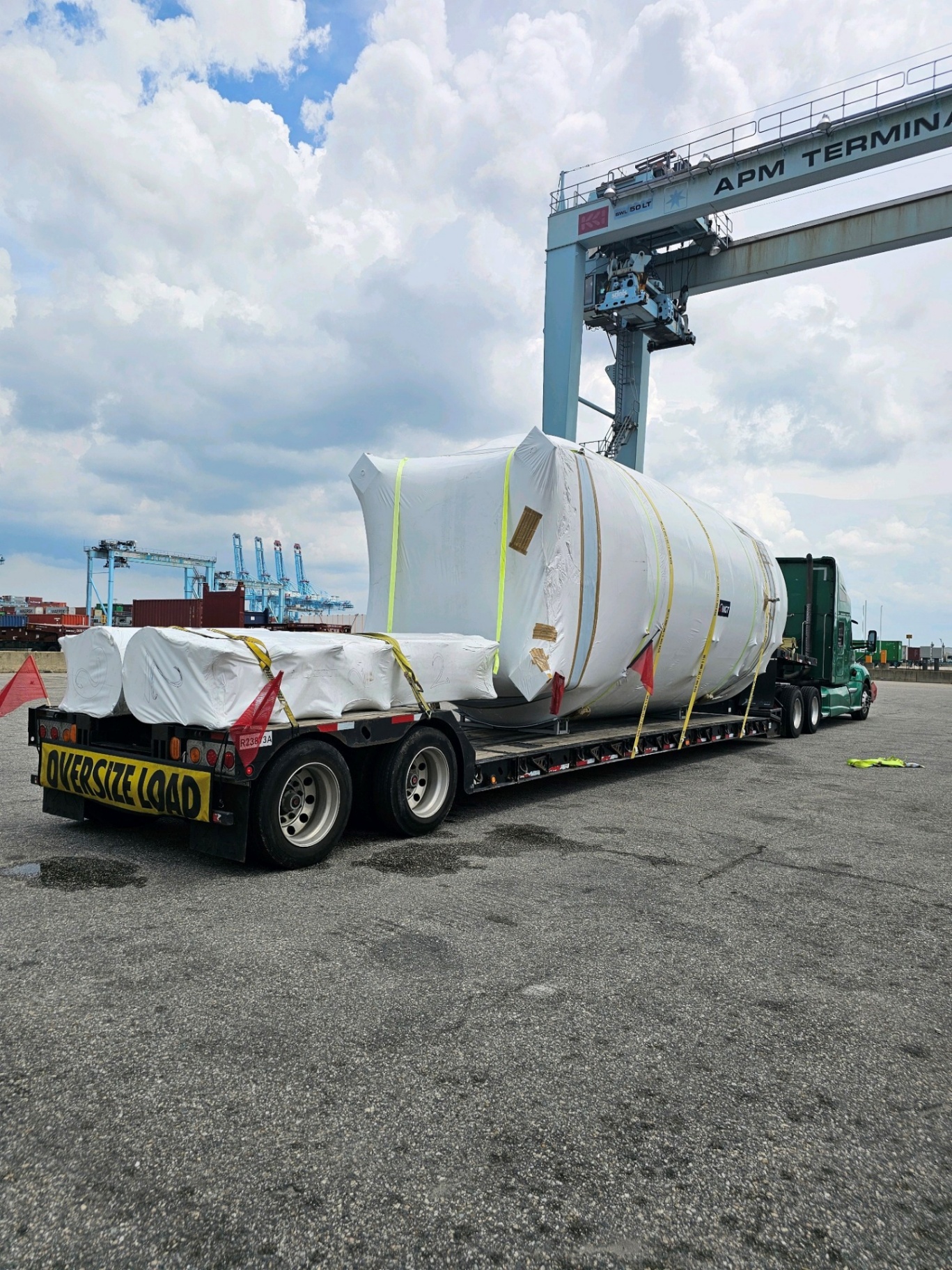
The rules have changed. The costs have risen. But with the right partner, your business doesn't have to stop. Let’s get your cargo moving: the right way.